Where to photograph in Paris, and at what hour
Nine locations in Paris with the hour each one works, why the Trocadéro is unusable after nine, and where to go when it rains.
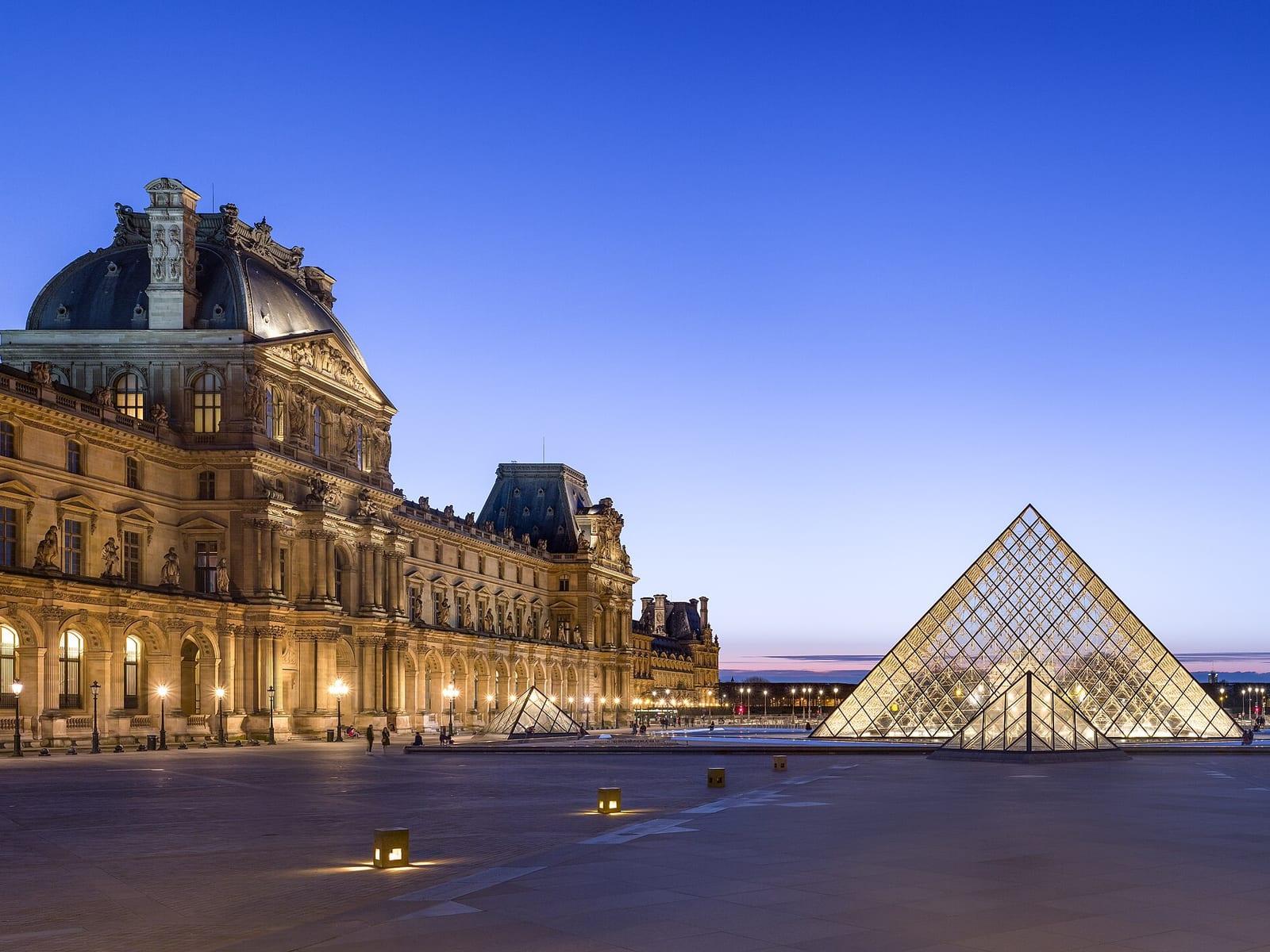
In Paris the location matters far less than the hour. Every place below is beautiful; roughly half of them are unusable for most of the day, and the difference between a good session and a wasted one is almost always what time you started.
The hour, not the place
The city has two usable windows. The first runs from first light to about half past eight, and it is the only time the famous locations are empty. The second is the last hour before sunset, which in June means nine in the evening and in December means half past four.
Between those two the light comes from overhead, the crowds are at their densest, and no amount of skill compensates for either.
The nine that work
Île Saint-Louis. Five hundred metres, one architecture, two levels. Empty before eight even in August. The lower quays sit in shade all day, which makes this the rare Paris location usable at three in the afternoon.
Pont de Bir-Hakeim. The tower framed by repeating arches. Extremely popular and worth the early start — by nine there is a queue for the good spot.
Trocadéro. Scale, and the only view where the whole tower fits comfortably. Unusable after nine. At seven it is yours.
Rue Foyatier, Montmartre. The staircase, not the Place du Tertre, which is a working market of portrait painters and photographs badly.
Jardin du Palais-Royal. The columns and the arcades. Shaded, enclosed and quiet, and it opens early.
Canal Saint-Martin. Iron footbridges and plane trees. Completely different in register from the monuments, and the choice when you want Paris to look lived in rather than visited.
Buttes-Chaumont. Steep, green and genuinely wild for a city park. Good for families because there is room to run.
Passage des Panoramas and the covered arcades. Nineteenth-century glass roofs. The answer to rain, and interesting enough to be a first choice rather than a fallback.
Pont Alexandre III. Gold, lamps and the Grand Palais behind. Best at blue hour, when the lamps are on and the sky still has colour.
When it rains
Rain is not a reason to cancel in Paris. The covered arcades, the Palais-Royal colonnade and the quays under the bridges all work wet, and stone with water on it photographs far better than dry stone. What genuinely stops a session is wind — umbrellas and hair both become unmanageable, and there is no location that fixes it.
Permits
Photography on the public street is free. Municipal parks, national estates and the interiors of monuments each run their own regime, and a tripod changes the answer in several of them. We check what applies to your specific session in advance — see the Paris page for how sessions here are usually planned.
Frequently asked questions
- What time should a Paris session start?
- Between first light and eight in the morning for anywhere well known, or the last hour before sunset. Between those two windows the light is overhead and the landmarks are crowded, and neither is fixable.
- Do we need a permit to photograph in Paris?
- Not on the public street. Municipal parks, national estates and monument interiors each have their own rules, and a tripod changes the answer in several. We check the specific case before the session.