Nationwide coverage
Our cities
Vetted local photographers in twenty-two French cities and destinations. They know which hour a place is still empty and what the permits actually cost.
22 cities
Search a city
 Île-de-France
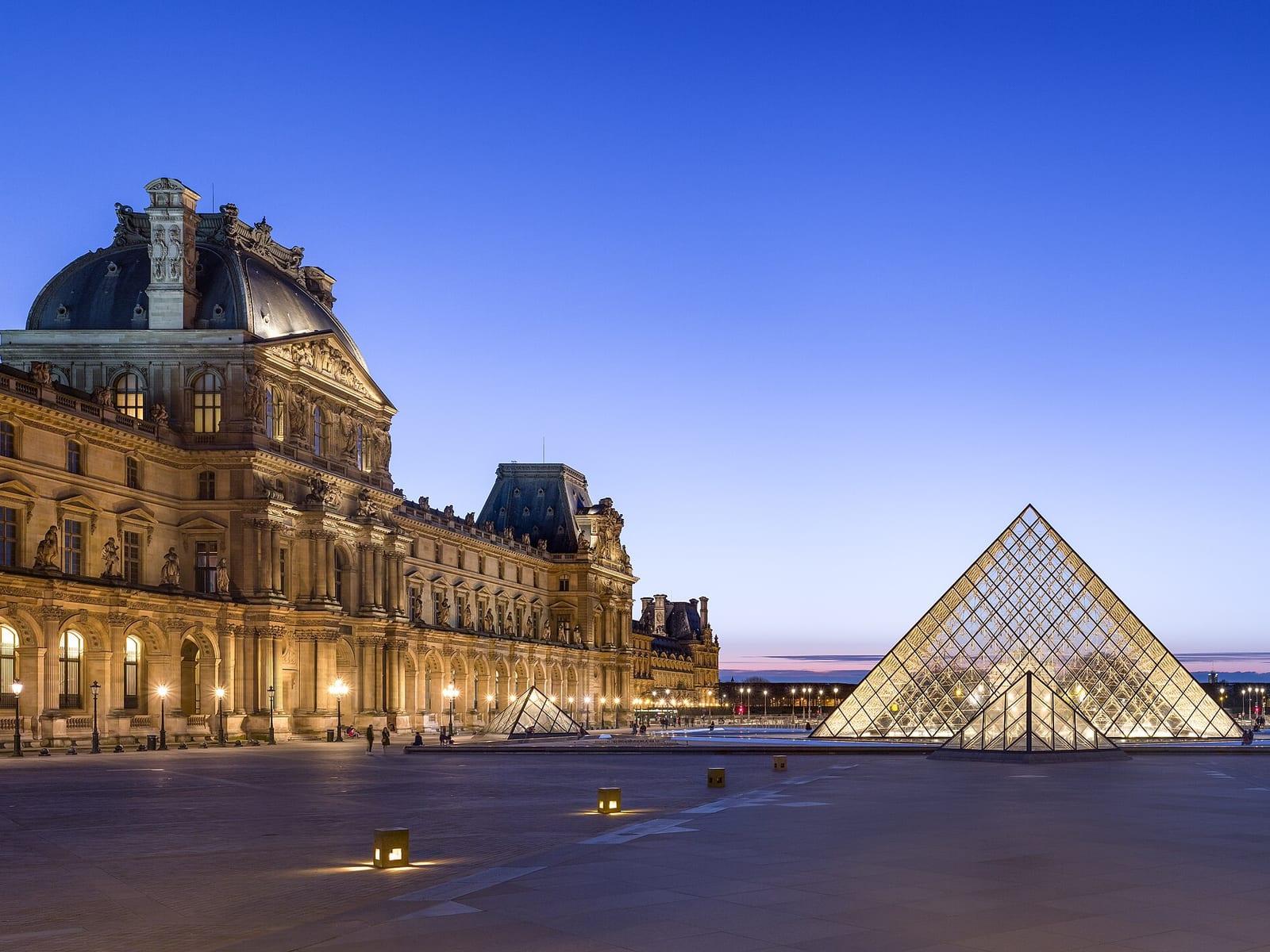
Paris
Everything here is a question of hours rather than places. The landmarks are fixed, well known and photographed ten thousand times a day; what is not fixed is whether you get them with forty people in the frame or none. The difference between a Paris session that works and one that does not is almost never the location — it is having been standing there at half past six.
Explore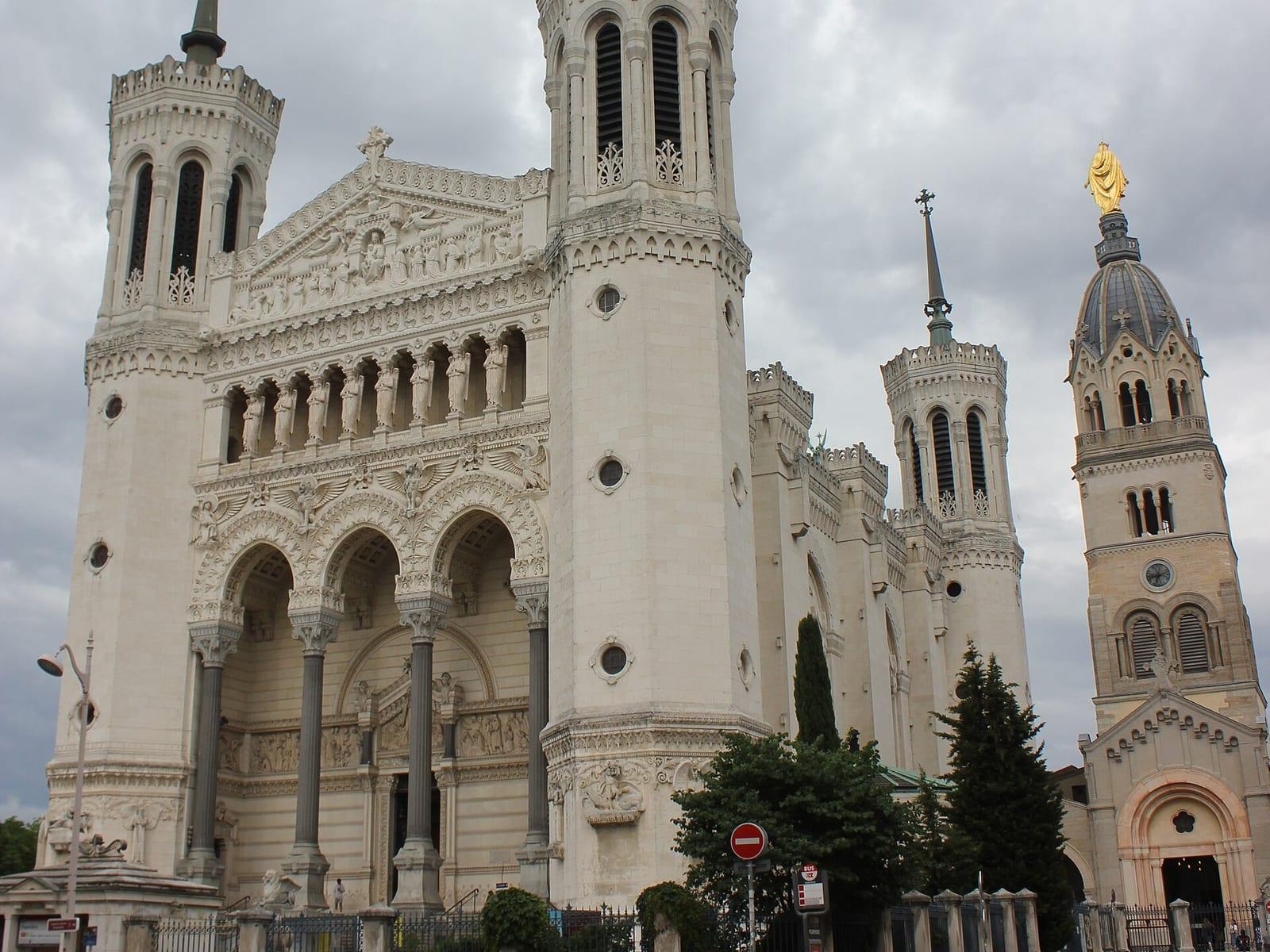 Auvergne-Rhône-Alpes
Lyon
Lyon is a working city before it is a photogenic one, and the calendar reflects it: headshots and company events fill the weekdays, weddings and families take the weekends. The old town and the Croix-Rousse slopes are genuinely beautiful, but most sessions here start from an office address rather than a landmark.
Explore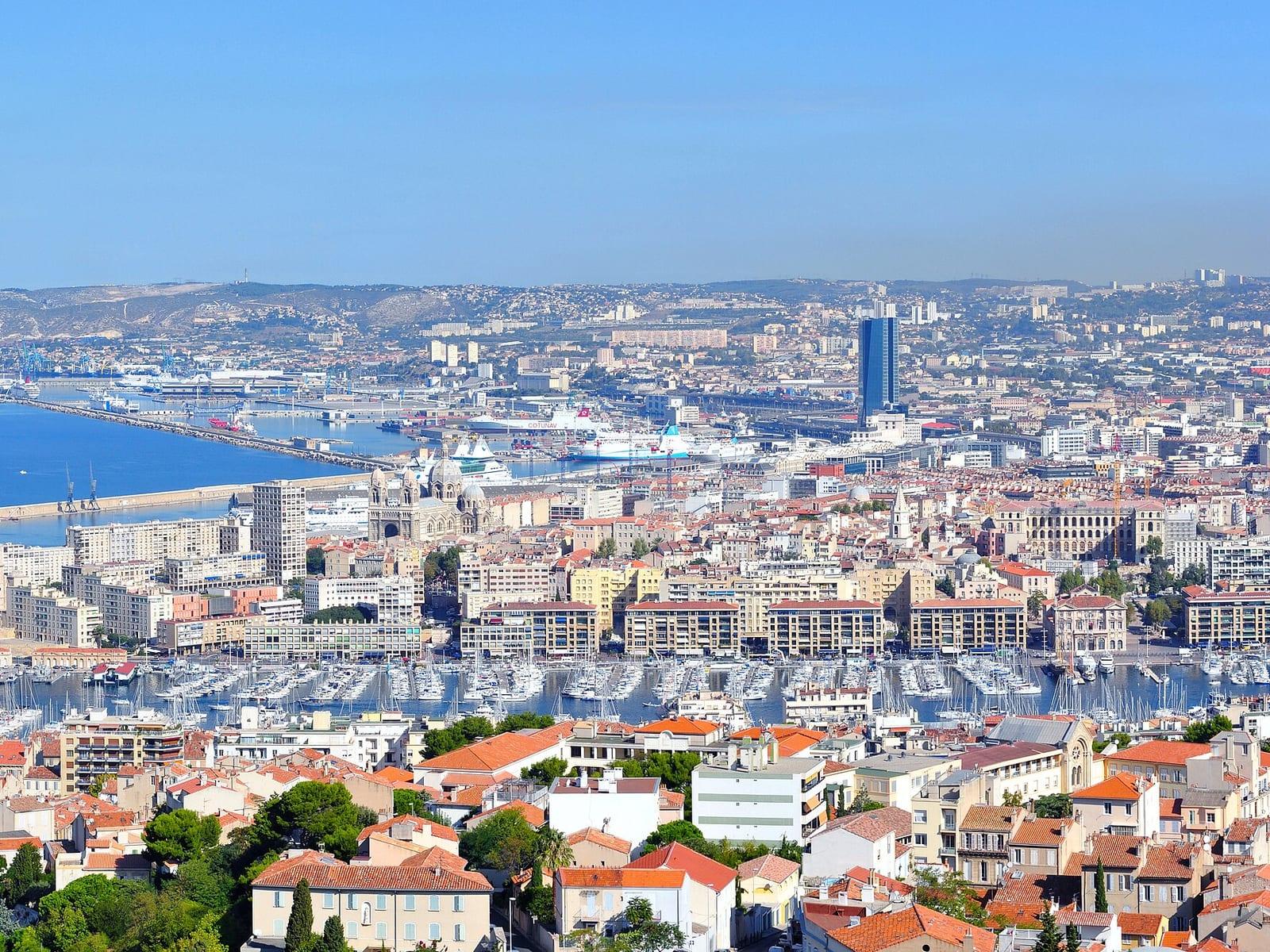 Provence-Alpes-Côte d’Azur
Marseille
Marseille gives you sea, stone and colour in a combination no other French city has, and a light that punishes anyone who shoots at the wrong hour. The old port is workable early and late and hopeless between; the Panier, one street back, is in shade for most of the day and is where a session actually holds together.
Explore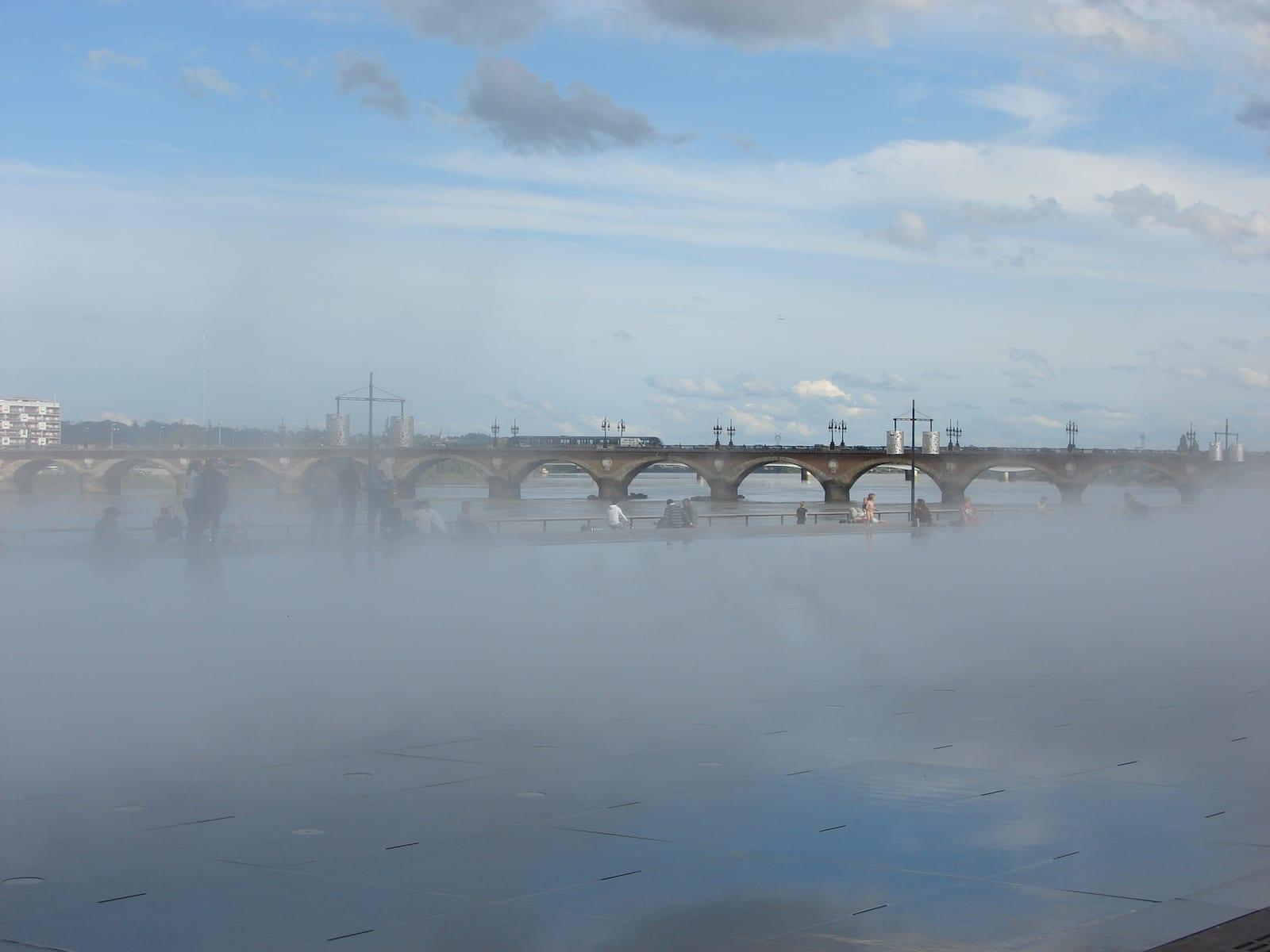 Nouvelle-Aquitaine
Bordeaux
In the city the whole palette is one warm limestone, which is unusually forgiving: almost anything you wear stands out against it. Out in the vineyards the constraint is the estate, not the light — the property fixes the access, the hours and whether there is any shelter, and those three answers shape the entire day.
Explore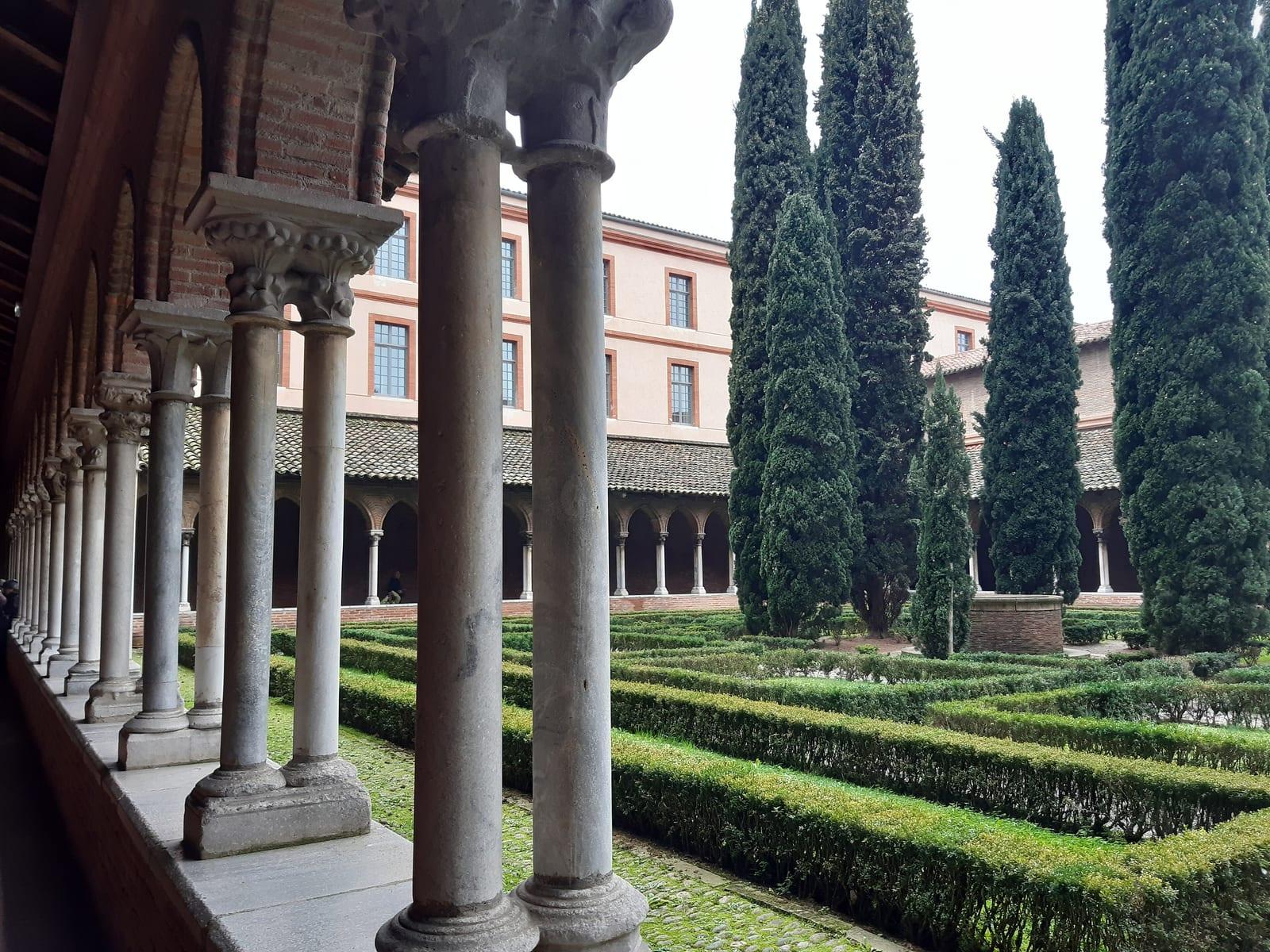 Occitanie
Toulouse
The red brick that gives Toulouse its name bounces a strong warm cast into every frame shot near a wall, and that has to be corrected rather than admired. Handled properly it is the most flattering city in the south-west; ignored, everyone comes out orange. Sessions here mostly run along the Garonne and through the Capitole quarter.
Explore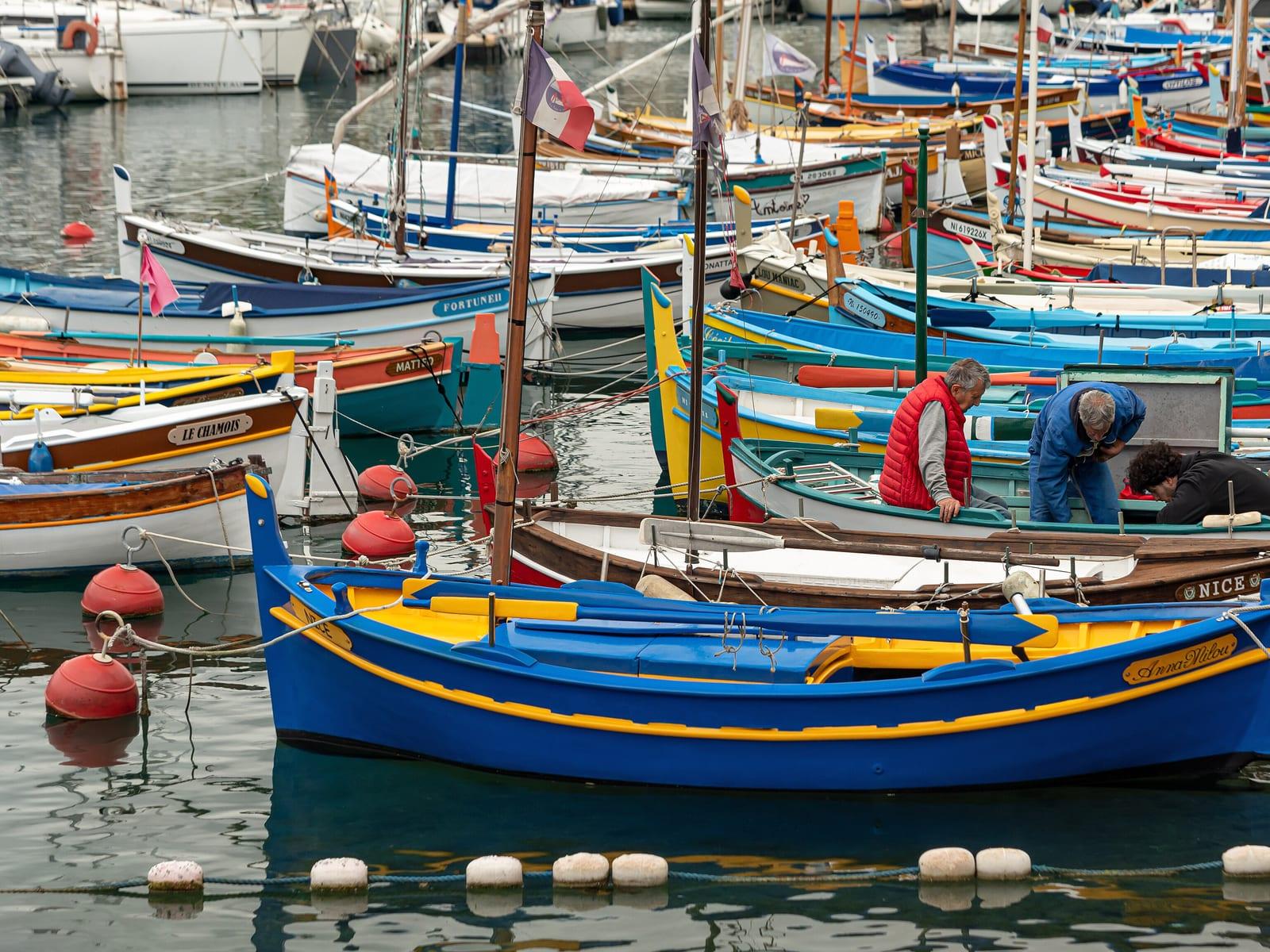 Provence-Alpes-Côte d’Azur
Nice
Nice offers three completely different sessions within twenty minutes of each other: the seafront, the old town in shade, and the corniches above with the whole bay below. Which one is right depends almost entirely on what time you can start, and honeymooners who insist on midday on the Promenade get the worst of all three.
Explore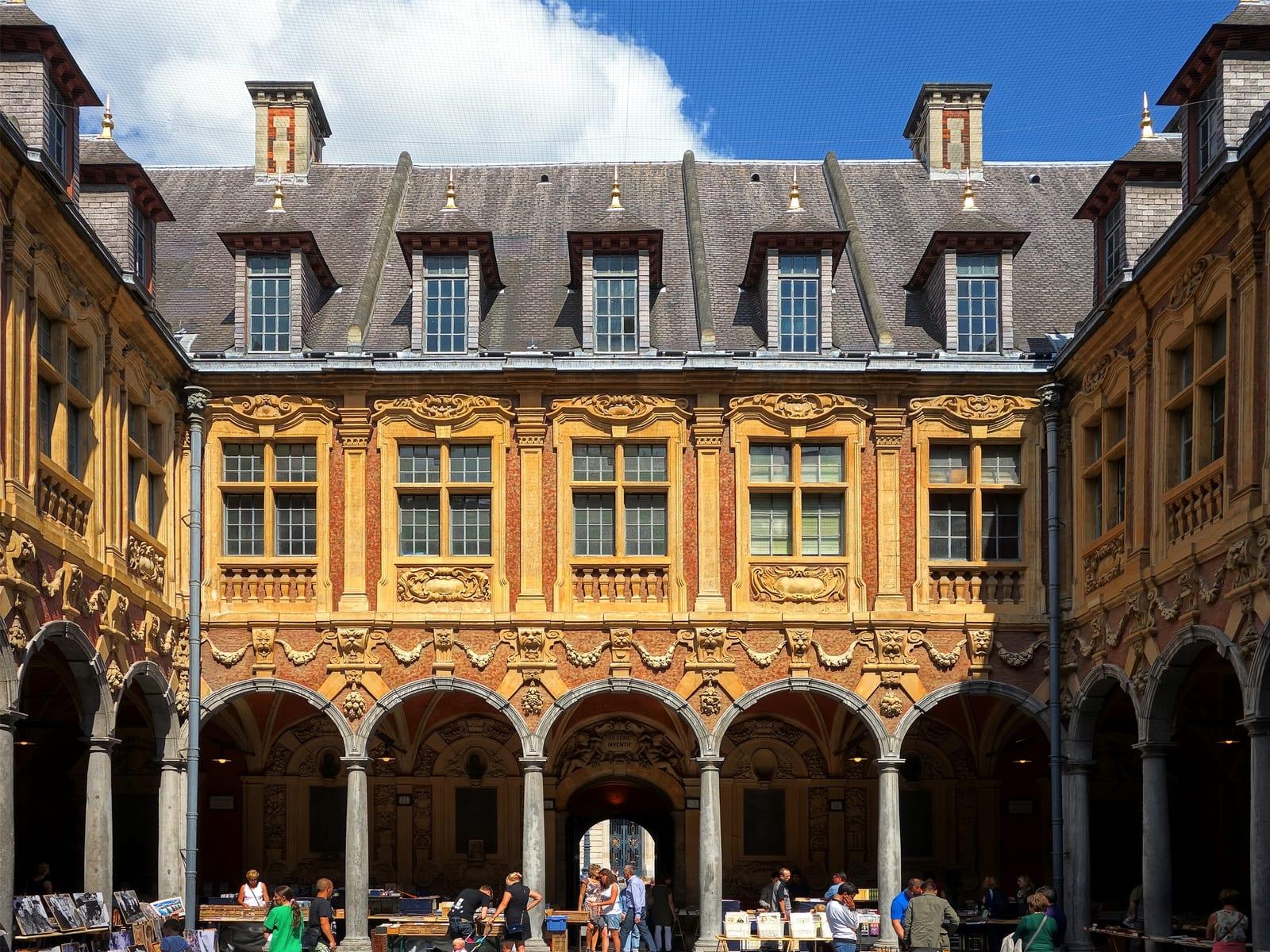 Hauts-de-France
Lille
Flemish brick, tall windows and a sky that behaves like a permanent softbox. Lille is the one city where the weather forecast barely changes the plan — grey is the working condition, not the setback, and the colour of the old town holds up under it in a way that pale stone cities do not.
Explore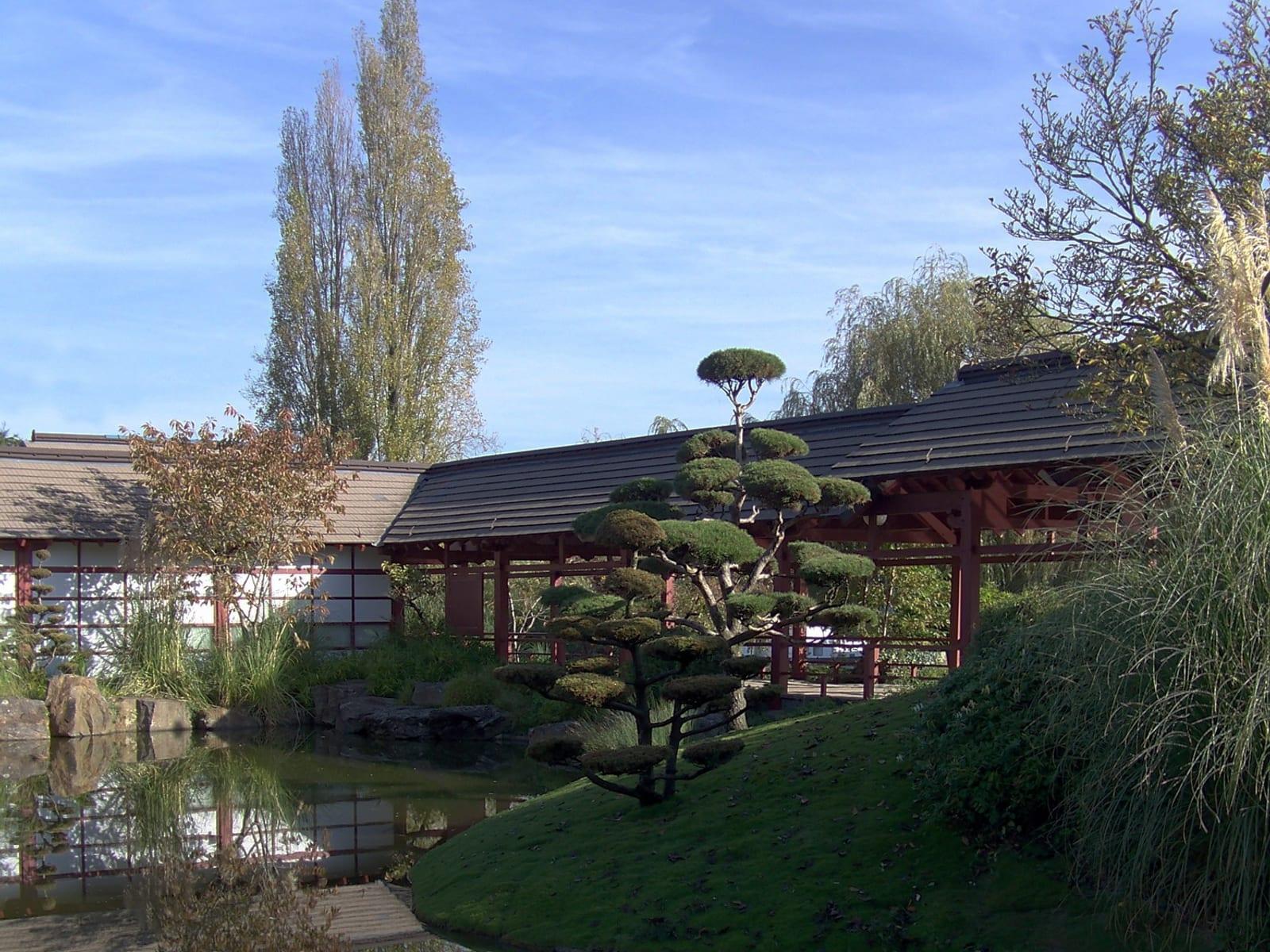 Pays de la Loire
Nantes
Nantes has two registers that do not blend: the château and the old streets around it, and the Île de Nantes with its cranes, warehouses and machines. Choosing between them matters more here than choosing an hour, and trying to do both in one session usually produces a gallery that looks like two.
Explore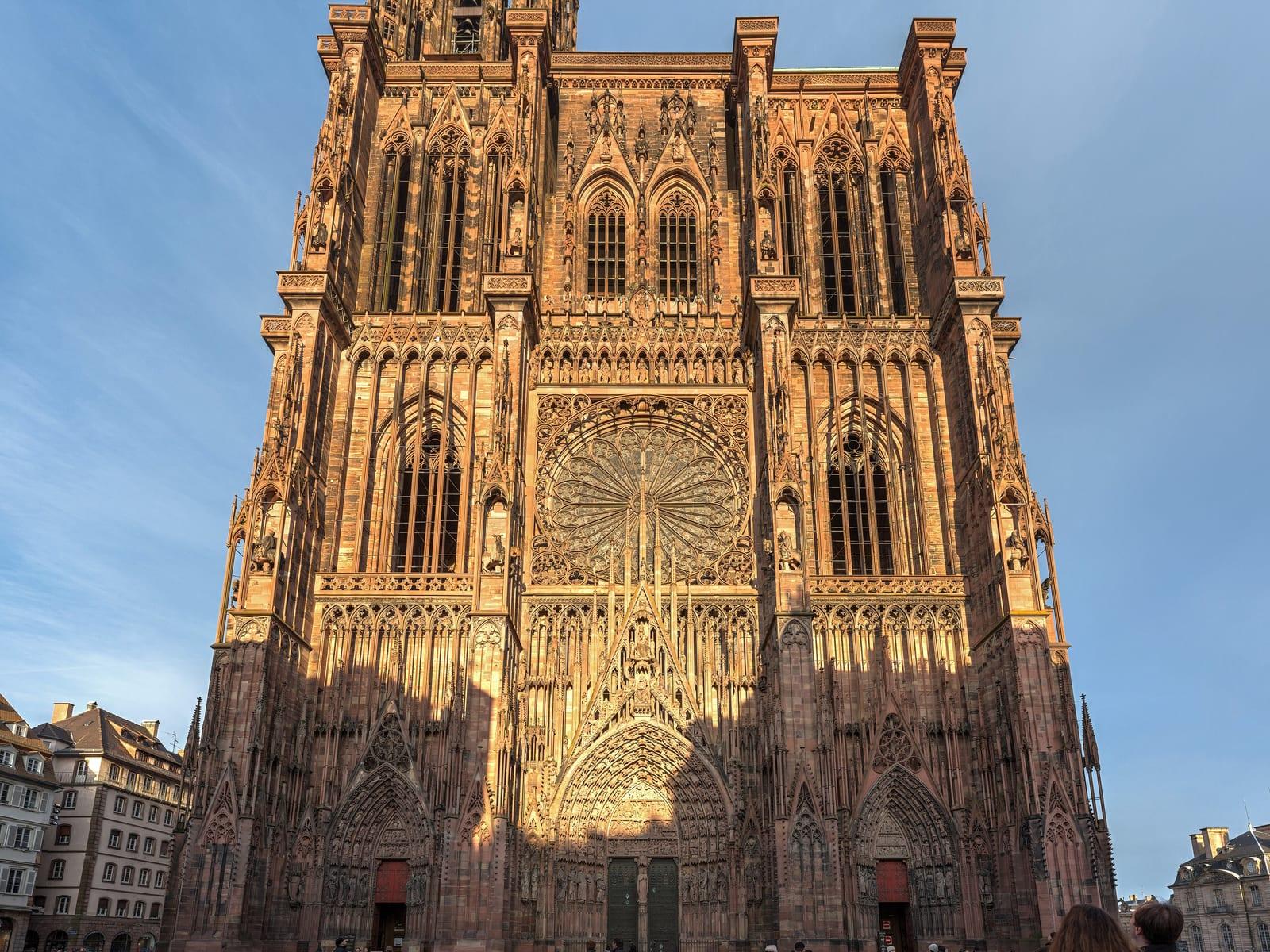 Grand Est
Strasbourg
Half-timbering, canals and a cathedral front carved deeply enough to hold shadow at any hour. Strasbourg reads as a set rather than a city, which is why it survives grey weather better than most — the buildings supply the colour and the interest that light would otherwise have to.
Explore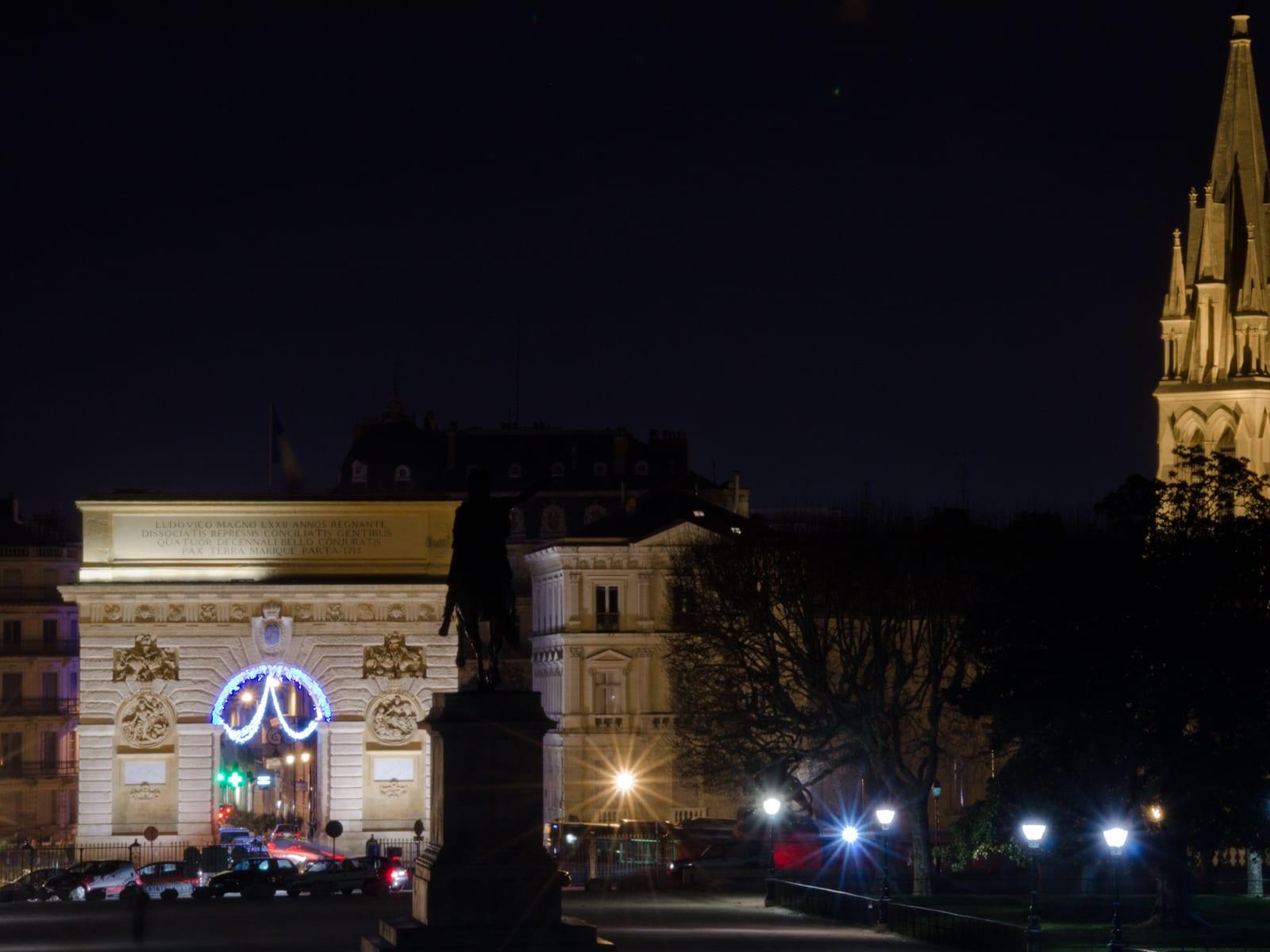 Occitanie
Montpellier
The Écusson, the old centre, is a knot of narrow lanes that stay in shade almost all day, and that shade is the whole reason sessions here work in summer. Ten minutes out, the Antigone quarter gives wide neoclassical perspectives that need the opposite conditions. The beach is twenty minutes away and changes the day entirely.
Explore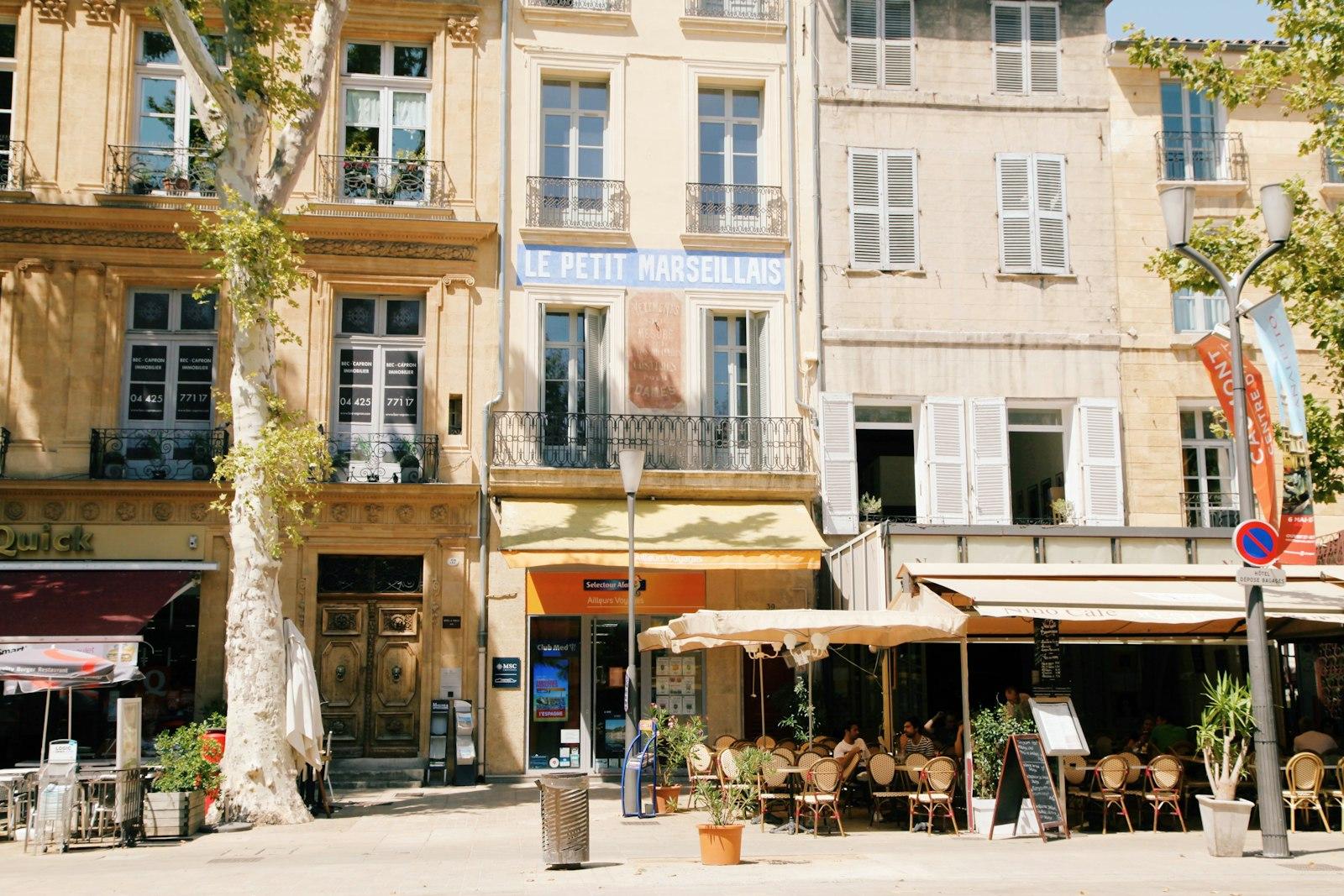 Provence-Alpes-Côte d’Azur
Aix-en-Provence
Aix itself is plane trees, fountains and warm stone, and it works all year. What brings most people is the country around it — the Luberon villages, the ochre of Roussillon, and the lavender plateaus an hour north, which exist on a calendar of about six weeks and not a day longer.
Explore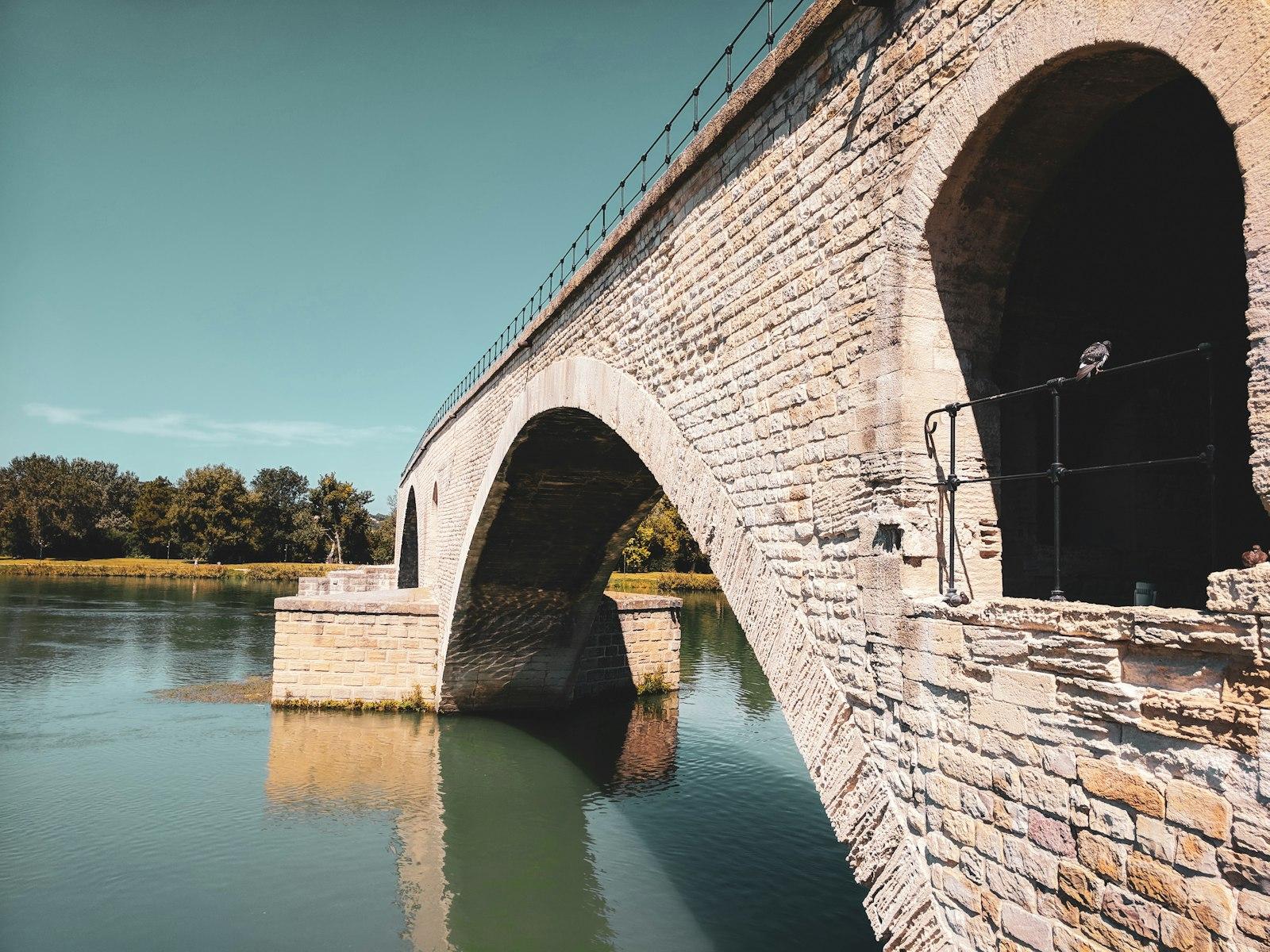 Provence-Alpes-Côte d’Azur
Avignon
The Palais des Papes gives a scale nothing else in Provence has, and the ramparts and the bridge give the frames people recognise. In July the festival fills every street and every hotel; from September the city is quiet, warm and yours.
Explore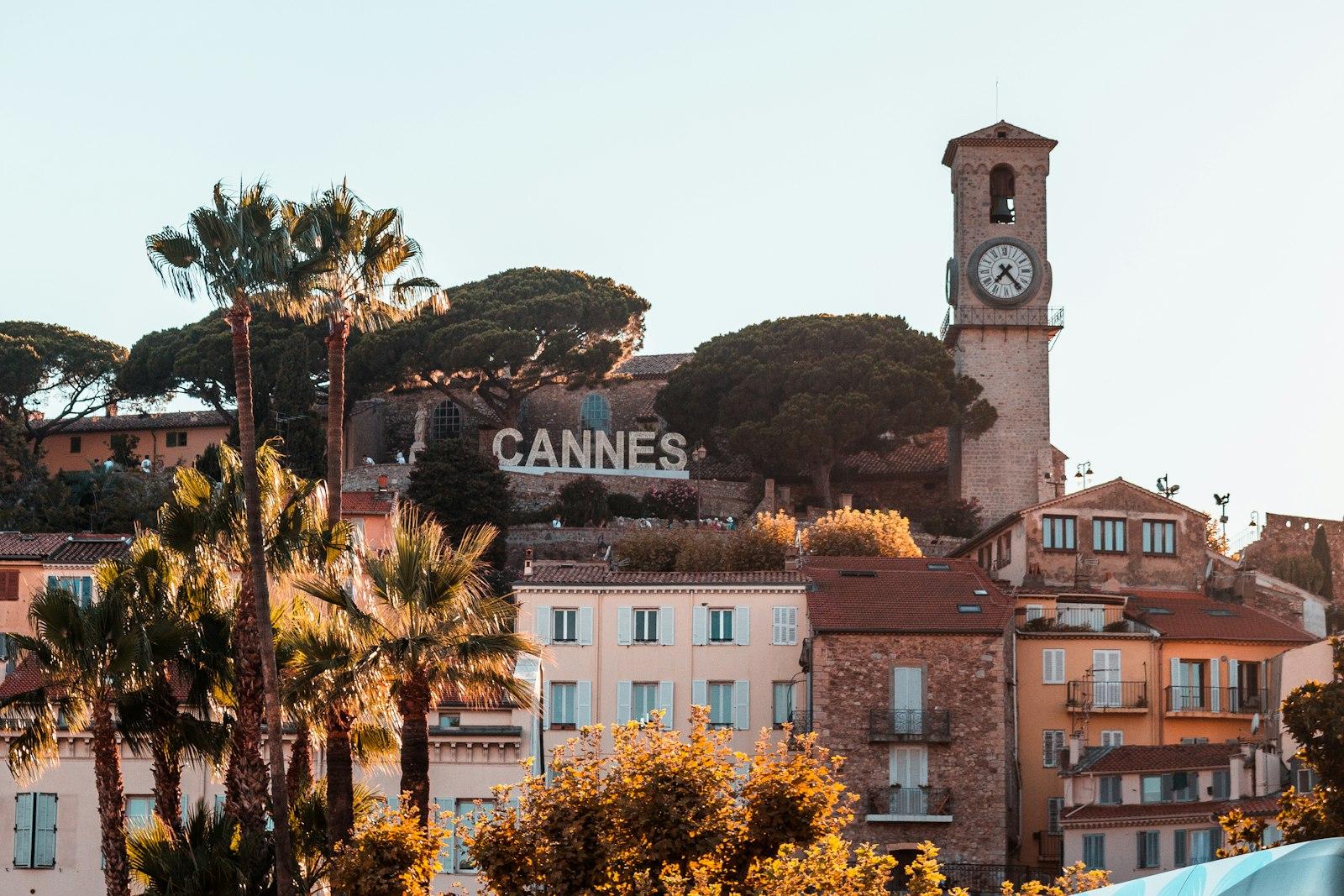 Provence-Alpes-Côte d’Azur
Cannes
La Croisette is the frame people expect and the least interesting one available. Le Suquet, the old quarter climbing behind the port, gives narrow streets, warm stone and a view back over the bay — and it is four minutes away on foot.
Explore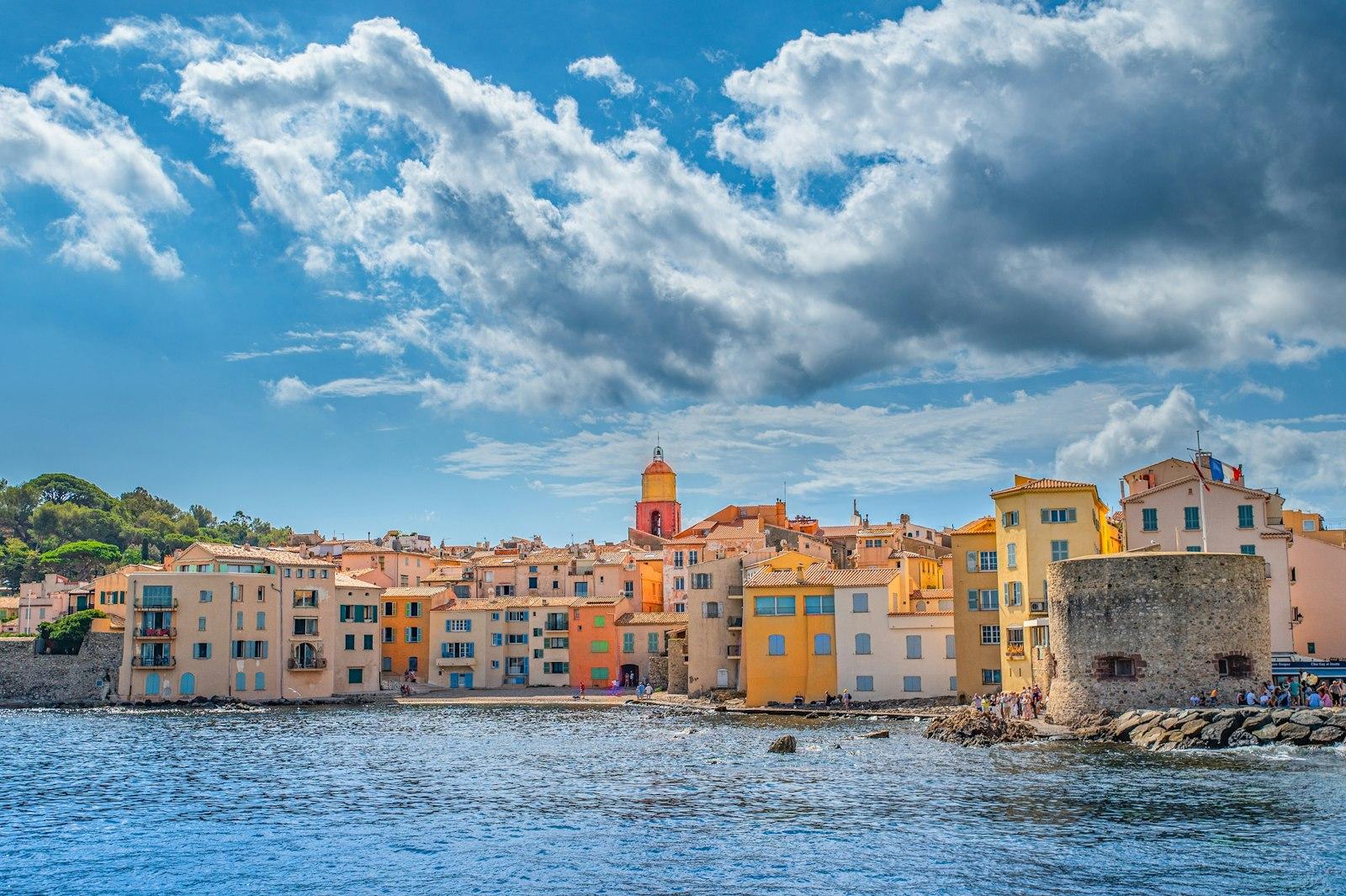 Provence-Alpes-Côte d’Azur
Saint-Tropez
The colour here — ochre, rose and faded green around the old port — is genuinely unlike the rest of the coast, and it holds up in photographs without help. Everything else about Saint-Tropez is a logistics problem, and the month you choose solves or creates it.
Explore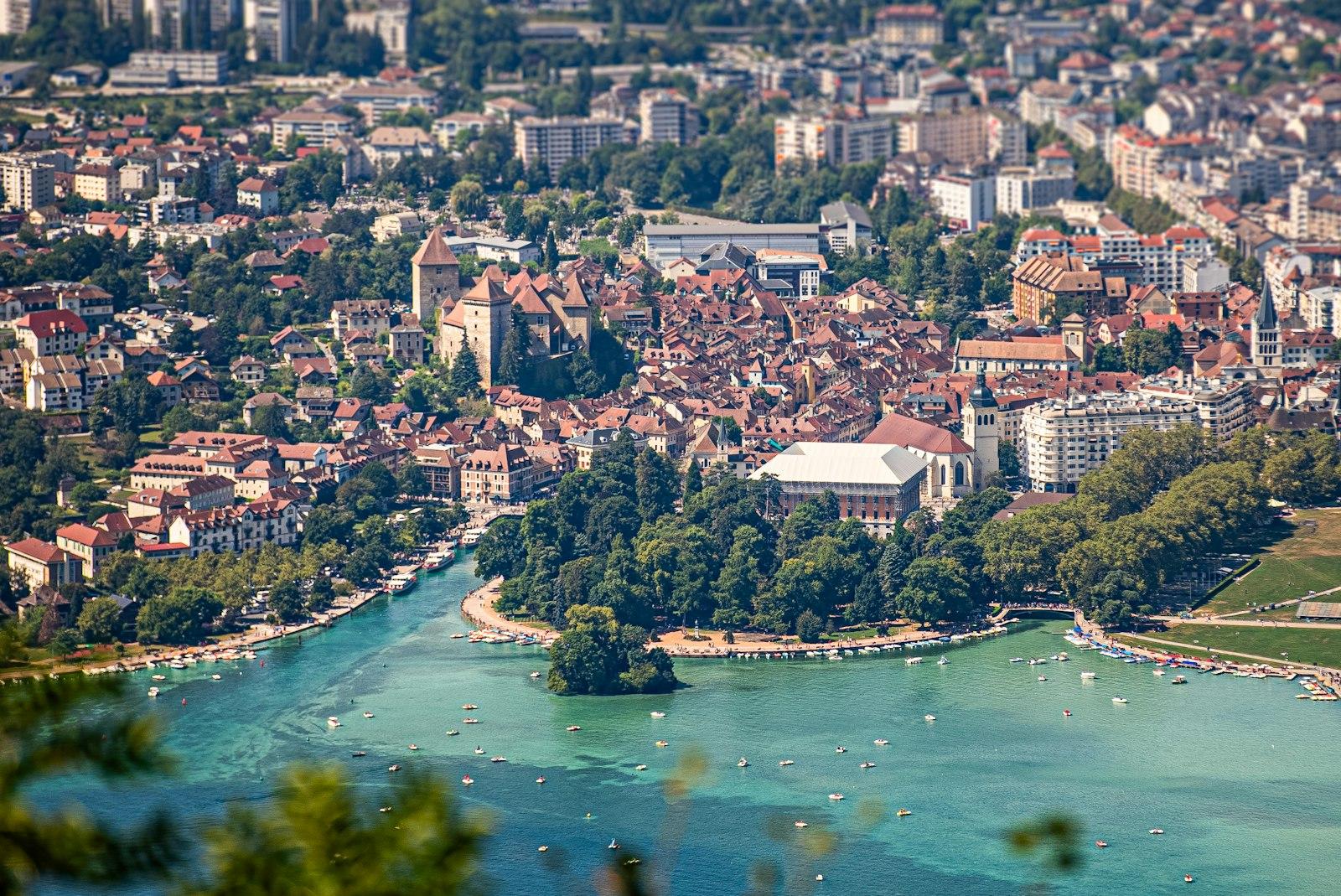 Auvergne-Rhône-Alpes
Annecy
Annecy asks for a compromise no other place does. The old town, with its canals and painted fronts, wants early or late light like anywhere else; the water only shows its colour between about ten and four, when the sun is steep enough to reach the bottom. Doing both well means two short sessions rather than one long one.
Explore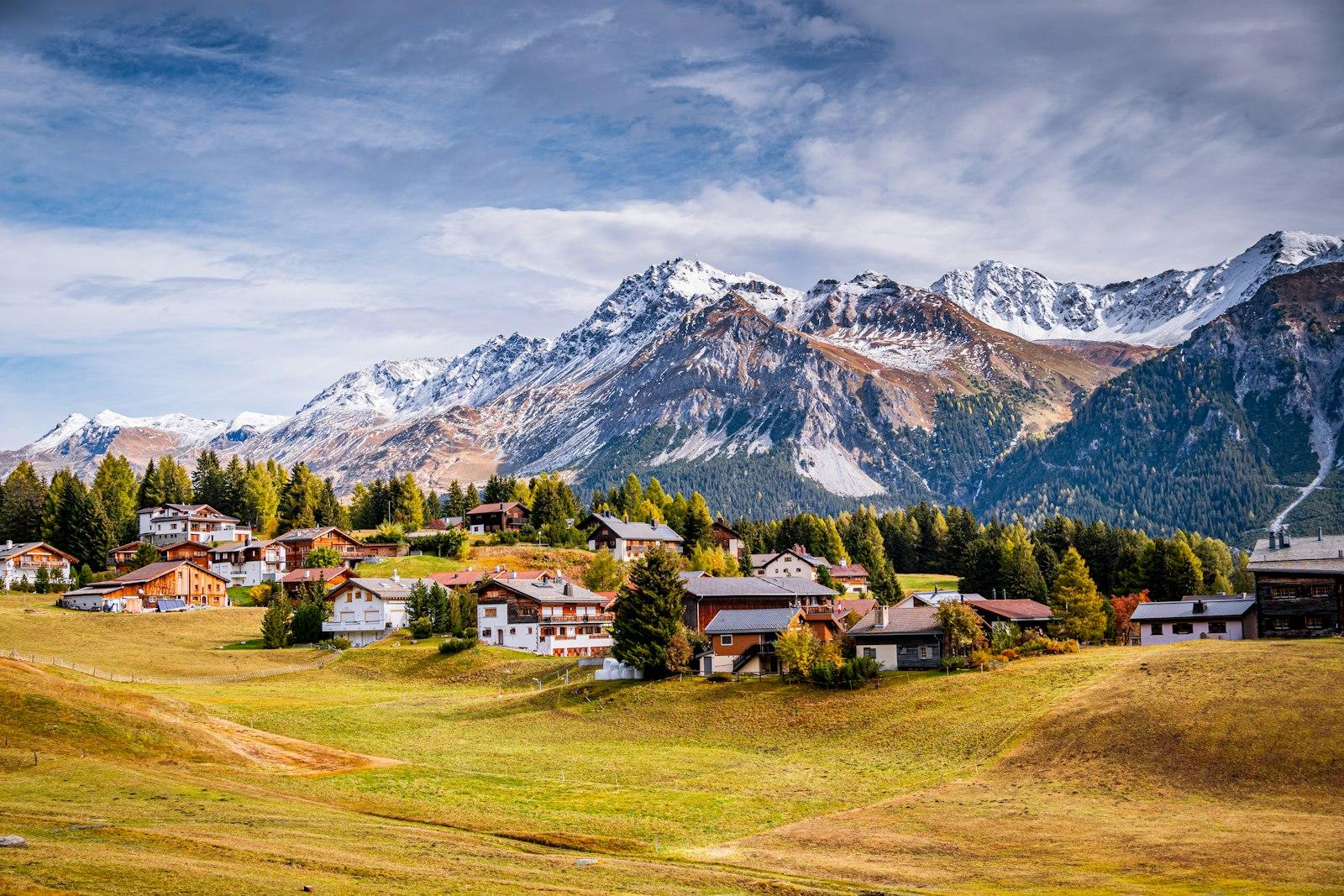 Auvergne-Rhône-Alpes
Chamonix
Everything here is decided by the weather window and the lift schedule, in that order. The valley floor works in almost any conditions; anything above two thousand metres depends on a forecast we read together forty-eight hours out, with a second date already held.
Explore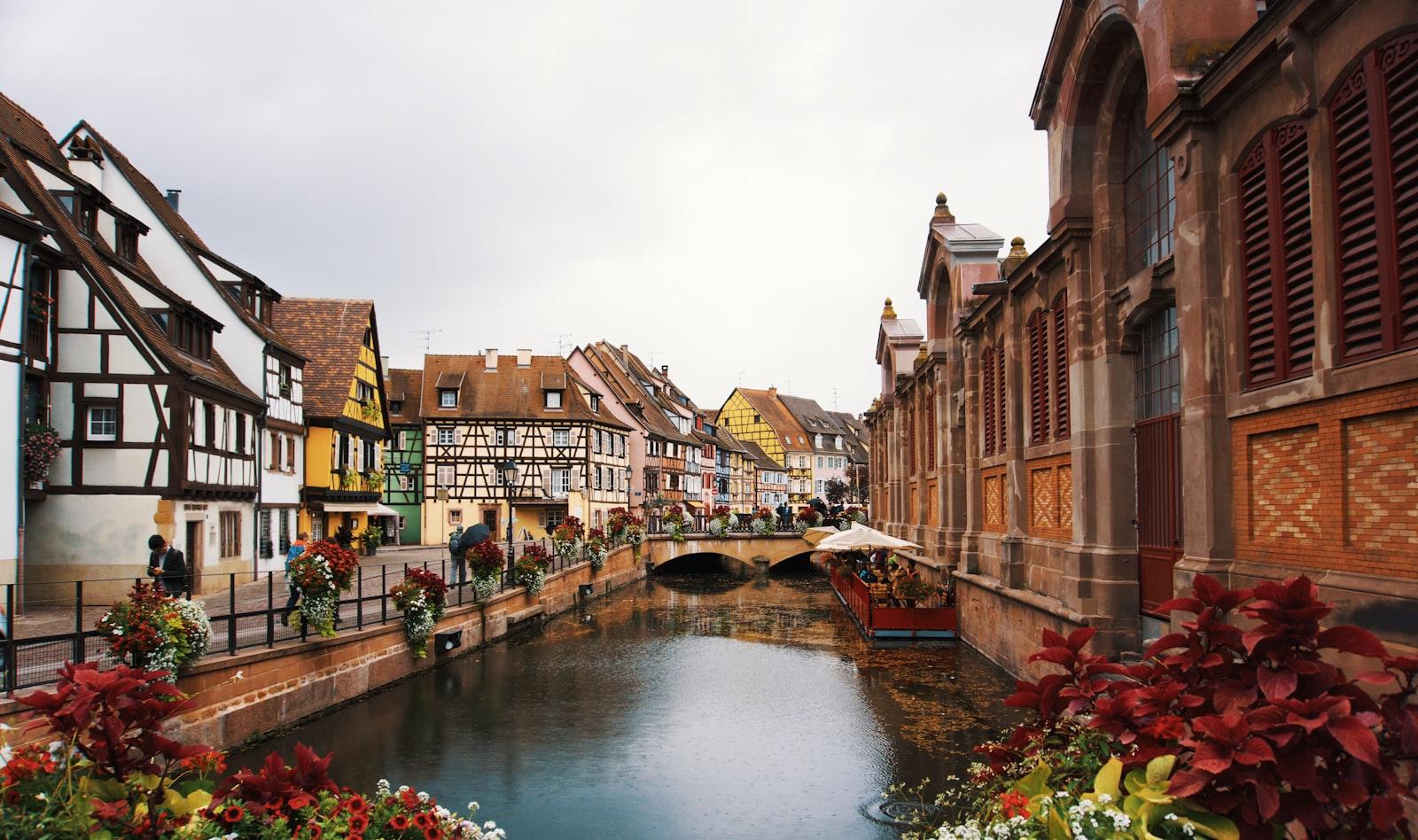 Grand Est
Colmar
Colmar is compact to the point of being a single location: half-timbered fronts in pink, ochre, blue and green, canals through the middle, and no walking to speak of. It is also, for its size, extremely busy — the useful window is before the coaches arrive and after they leave.
Explore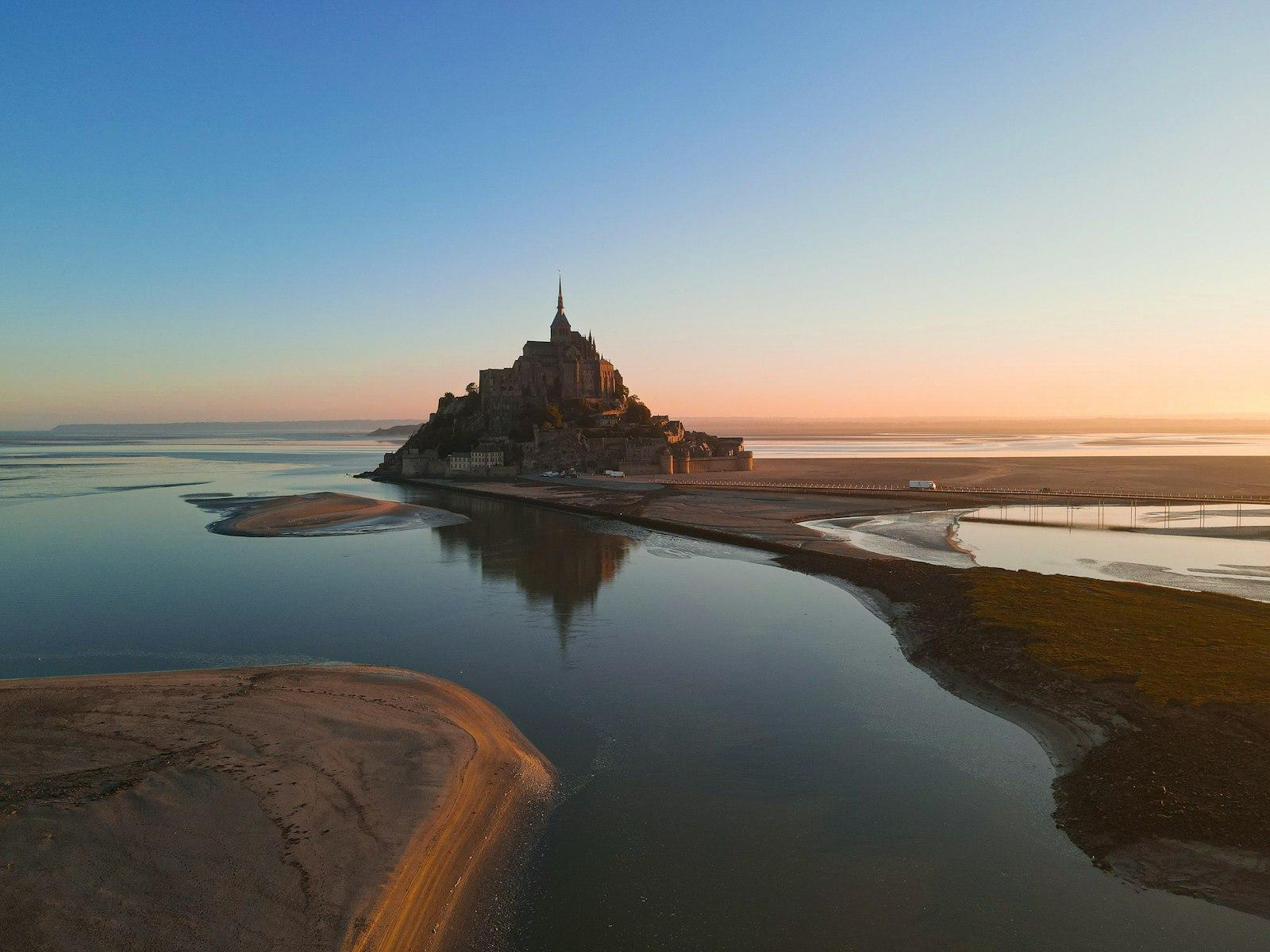 Normandy
Mont-Saint-Michel
Everything depends on water. At high spring tide the Mont is an island and the causeway views are extraordinary; at low tide it stands on grey sand and looks like a different building. Neither is better, but they are not interchangeable, and the tide is published years in advance — so this is one session that can be planned exactly.
Explore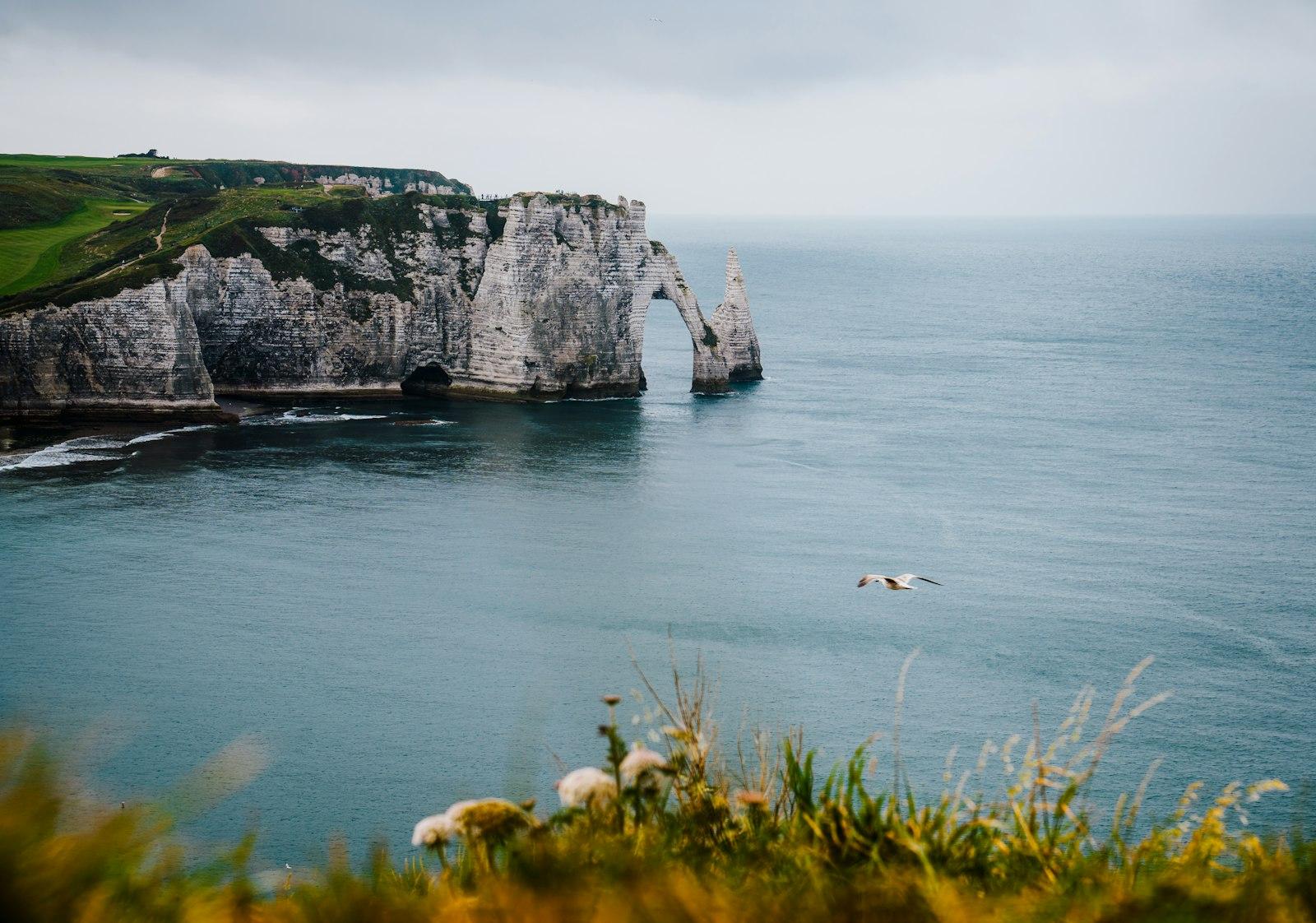 Normandy
Étretat
Two arches, a needle of chalk and a pebble beach between them. The light arrives along the cliffs at the end of the day and turns the chalk from grey to gold in about twenty minutes. The climbs on either side are steep and, in wet weather, genuinely slippery — worth knowing before choosing footwear.
Explore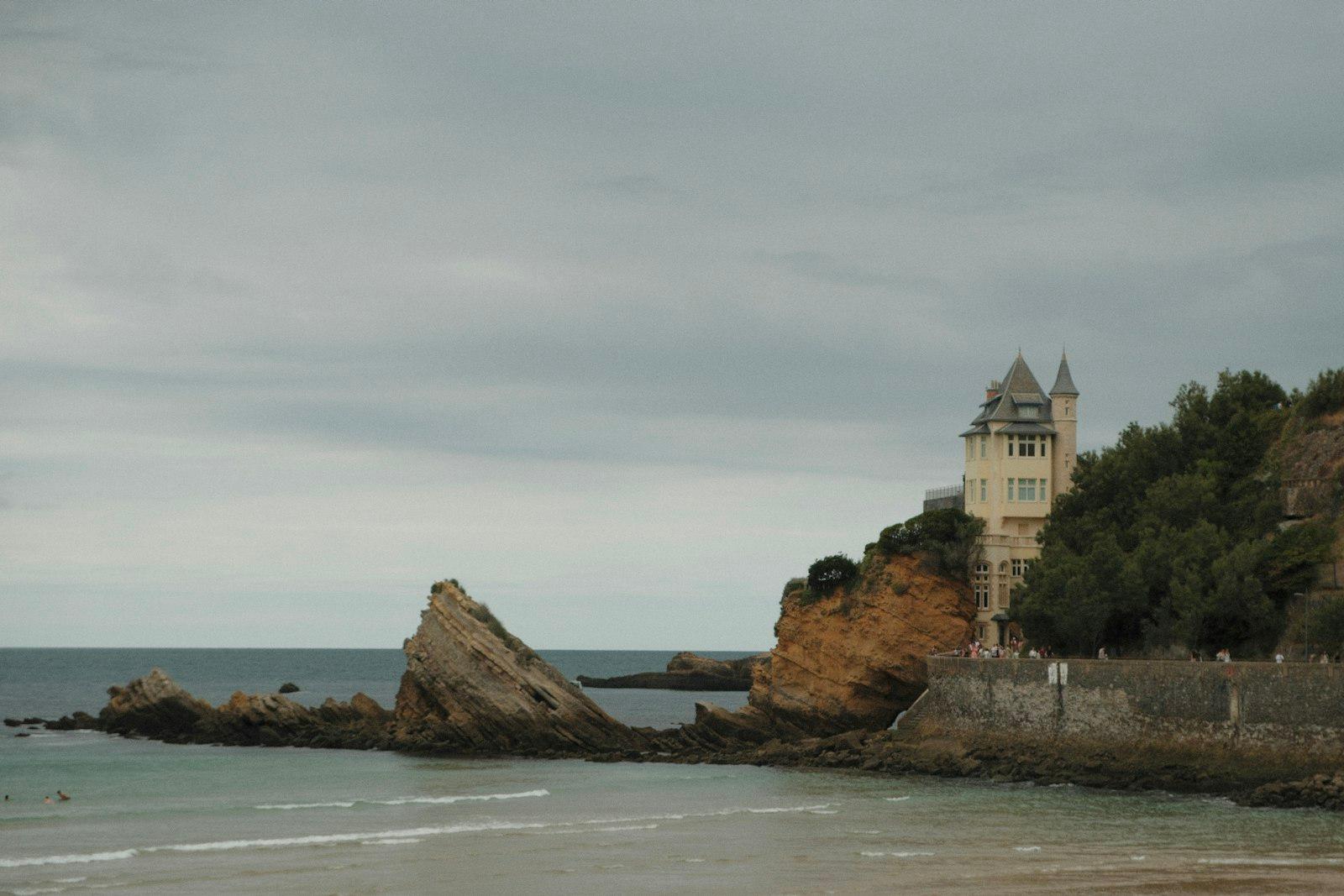 Nouvelle-Aquitaine
Biarritz
Big surf, a rocky headland and Belle Époque frontage, with the Pyrenees visible down the coast on a clear day. The sea state matters as much as the light — a heavy swell on the Côte des Basques is spectacular and makes the lower beach unusable at the same time.
Explore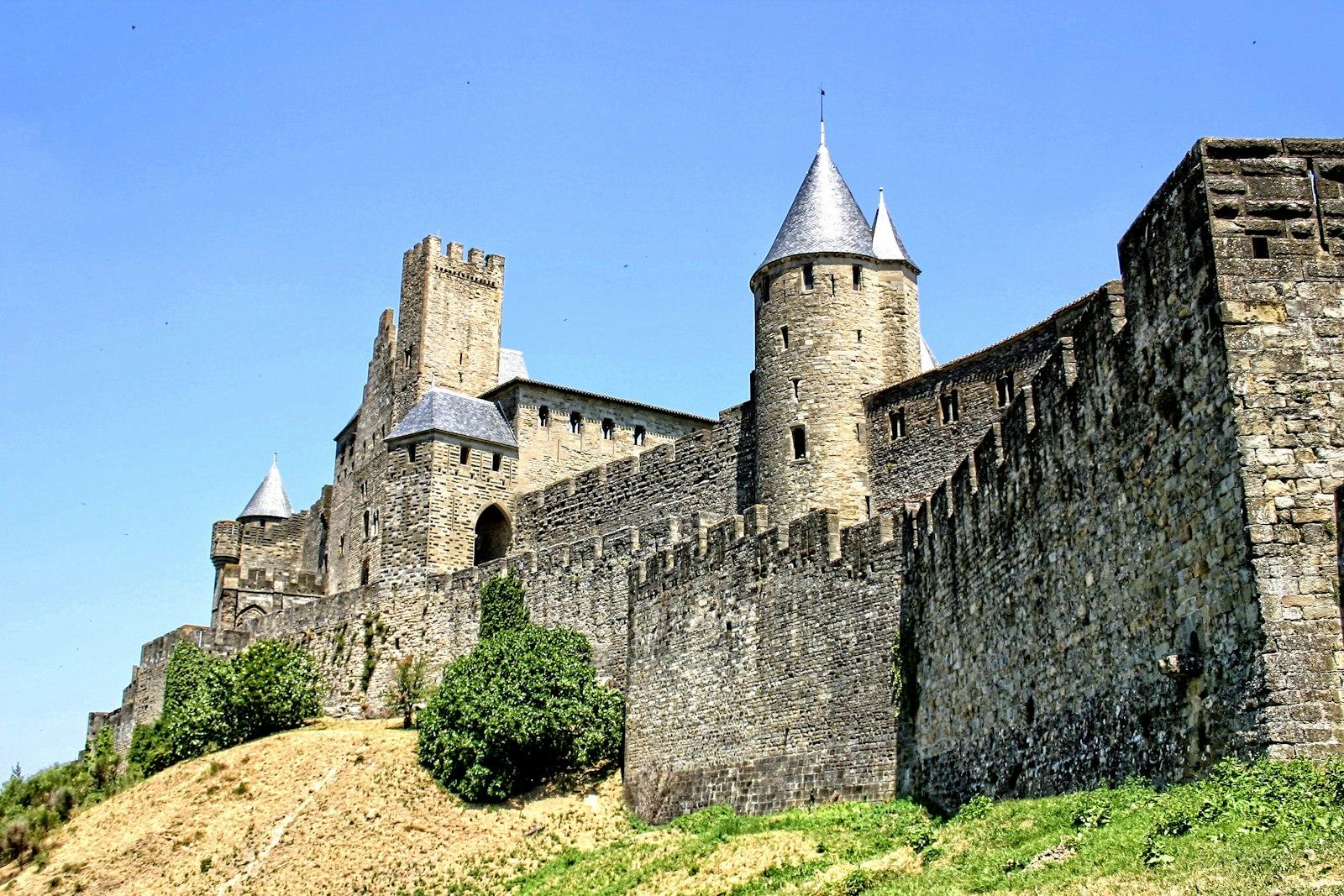 Occitanie
Carcassonne
A double ring of towers on a hill above the Aude, restored in the nineteenth century and unlike anything else in France. Inside the walls it is narrow, busy and hard to photograph; outside, from the lower town and the old bridge, it reads as a single silhouette and works from dusk onward.
Explore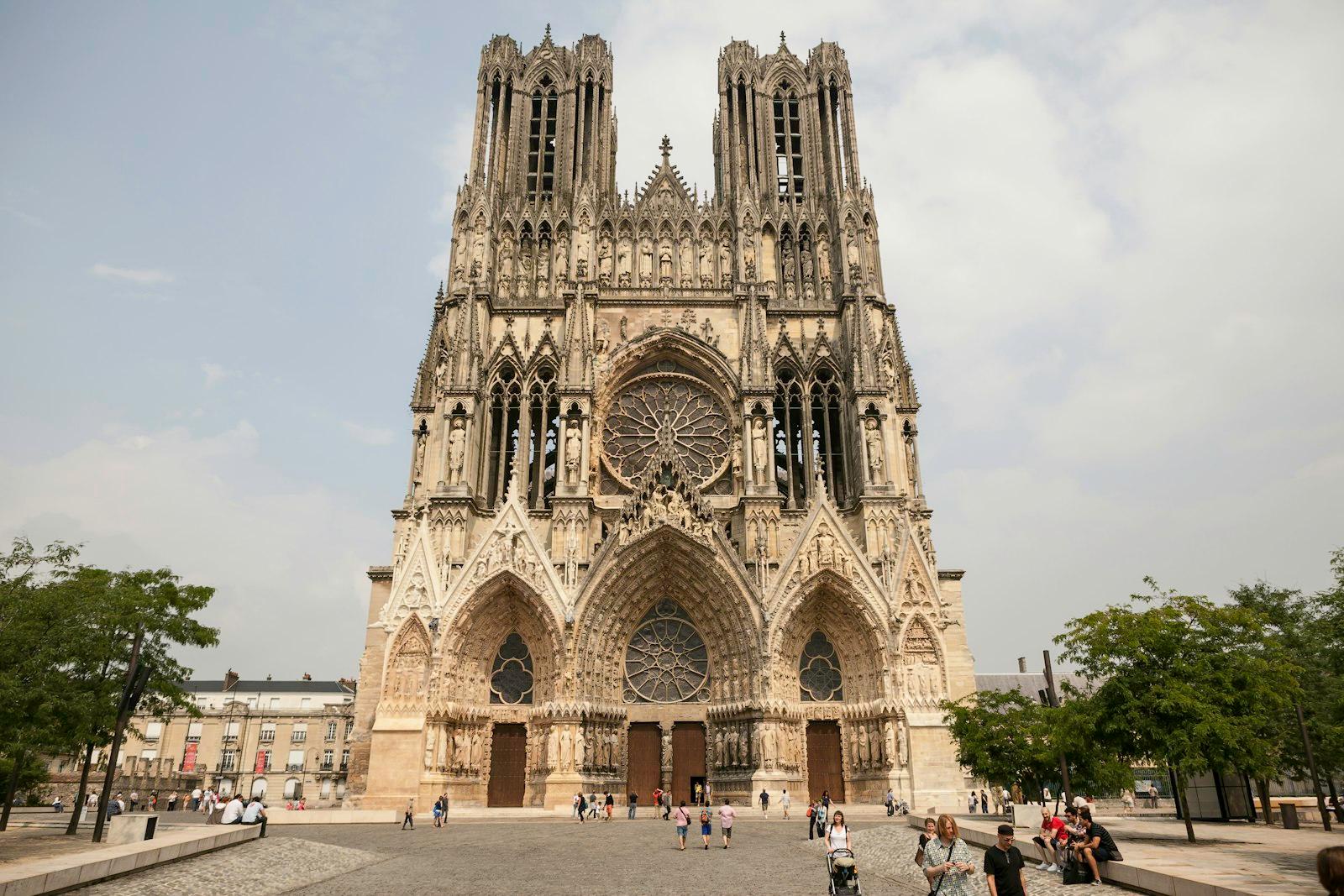 Grand Est
Reims
Reims runs on the champagne calendar. The great houses open their cellars for photographs by arrangement, and those interiors — chalk galleries, thousands of bottles, no daylight at all — are unlike anything else on this site. Above ground the cathedral front is the finest gothic sculpture in the country and takes low sun exceptionally well.
Explore
About our coverage
Local photographers, not photographers who travel in
- Cities & destinations
- 22
- Metropolitan cities
- 10
- Travel destinations
- 12
- Travel surcharge
- None
The directory above covers twenty-two places, and they fall into two groups. Ten are the cities people live and work in — Paris, Lyon, Marseille, Bordeaux, Toulouse, Nice, Lille, Nantes, Strasbourg and Montpellier — where the demand is corporate headshots, family sessions, engagements and weddings booked months ahead. The rest are the places people travel to: Aix-en-Provence, Avignon, Cannes, Saint-Tropez, Annecy, Chamonix, Colmar, Mont-Saint-Michel, Étretat, Biarritz, Carcassonne and Reims.
Every photographer in the network lives in the city they are listed under. That is the whole basis of the thing. A visiting photographer can find a landmark; a resident knows that the Trocadéro is unusable after nine in the morning, that the Étretat cliffs need the tide table more than the weather forecast, and that Colmar in December is a different assignment from Colmar in June.
The same applies to paperwork. Photography rules in France vary by site and by commune: some châteaux and museums require a written authorisation, drone work is restricted almost everywhere, and a commercial shoot on public land in Paris is not the same permission as a private one. A local photographer knows which of those actually apply to your session and what they cost, rather than discovering it on the day.
Each city page shows the sessions available there, the starting prices, the locations worth the walk and the hours that suit them. Pricing does not change between cities — the same session costs the same in Nice as in Lille, and there is no travel supplement inside the city you book.