Planning a Paris proposal with a photographer
How to plan a proposal in Paris and have it photographed: the hour, the spot, the cover story, the signal, and what to do if it rains on the morning.
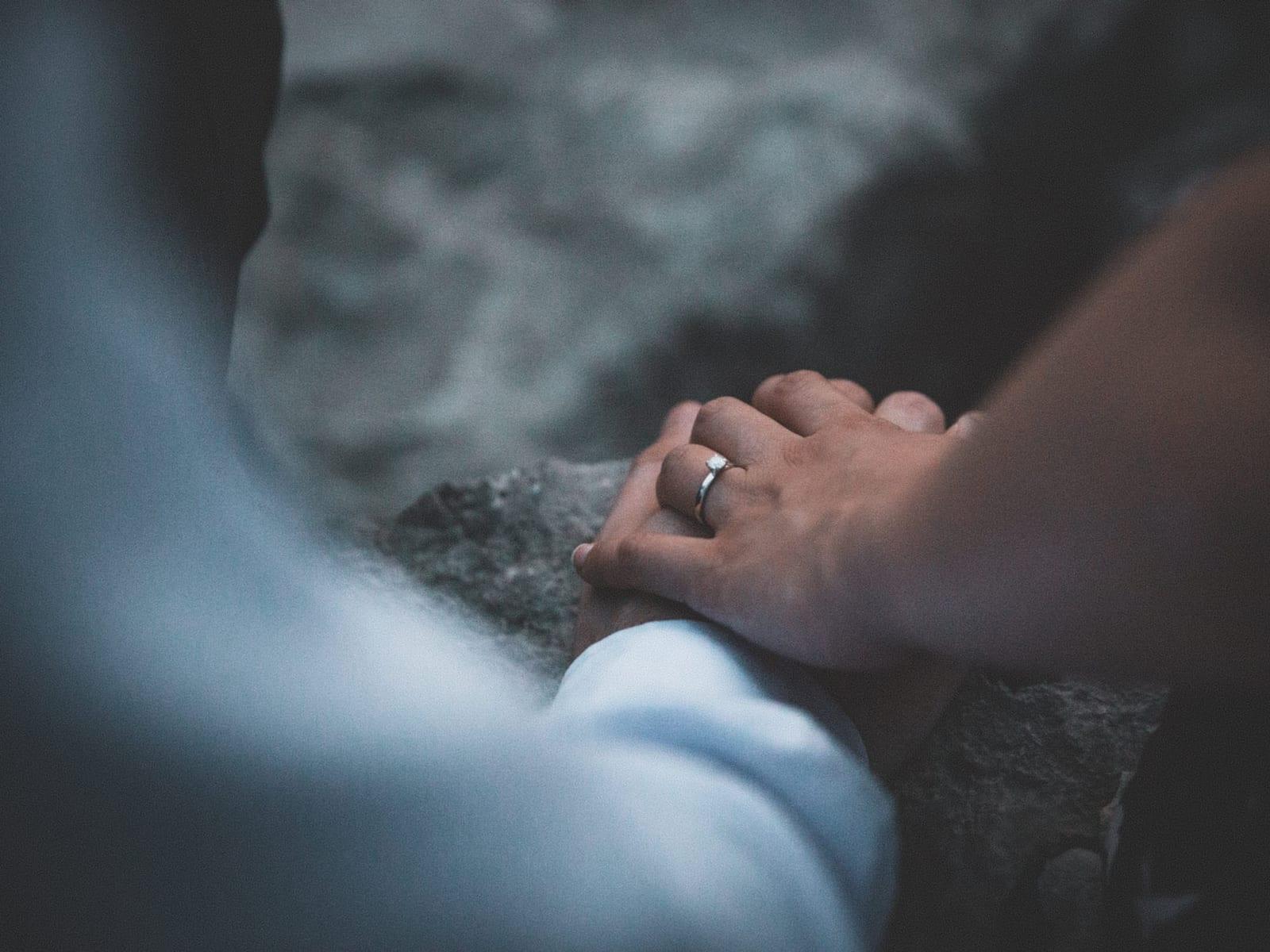
A proposal is photographed once. There is no second take, the light is whatever it is on the morning, and the one person who must not notice the photographer is the person you are with. That is why almost all of the work happens before either of you arrives — and why a proposal in Paris goes well or badly on decisions made a week earlier.
This is the plan we go through with every couple, in the order it should be decided.
1. Choose the hour before the place
In Paris the hour decides more than the location. The famous places are empty only from first light to about half past eight; from mid-morning they are crowded, and at the Trocadéro you will not be the only person on one knee. The other usable window is the last hour before sunset, which is soft and warm but never empty.
Early morning is the better photograph and the harder plan, because you need a reason to be out at seven. That is where the cover story comes in.
2. Hidden, or a "holiday photoshoot"
There are two ways to do it, and the choice changes everything else.
Hidden. The photographer is already in position when you arrive, on a long lens, well off your line of approach. Your partner never knows anyone was there until the answer is given. This gives the most natural pictures of the moment itself and depends entirely on scouting.
The cover story. You book what looks like an ordinary couple session — a souvenir of the trip — and propose part-way through. Your partner is relaxed in front of the camera by then, the early start has an explanation, and the photographer is close enough for faces rather than silhouettes. The risk is that a suspicious partner guesses. A surprisingly large number do not.
If your partner hates being photographed, hide. If getting them out of the hotel at seven is the hard part, use the cover story.
3. Choose the spot, then move a few metres
| Spot | Best hour | Why it works | Watch out for |
|---|---|---|---|
| Trocadéro | Before 8:30 | The whole Eiffel Tower in frame | Unusable by mid-morning |
| Pont de Bir-Hakeim | Before 8:30 | The tower through repeating arches | A queue for the best spot by nine |
| Île Saint-Louis | Any morning | Quiet quays, one consistent architecture | Less instantly "Paris" than the tower |
| Pont Alexandre III | Blue hour | Gold, lamps, the Grand Palais behind | Never empty in the evening |
| Rue Foyatier, Montmartre | Early morning | The staircase and the view down | Steps — plan where you kneel |
| Canal Saint-Martin | Morning | Footbridges and plane trees, a lived-in Paris | Not a monument, if that matters to you |
The best position is rarely the obvious one. At the Trocadéro the centre of the esplanade is where everyone stands; a few metres to the side you have the same tower and a background without strangers. Our guide to where to photograph in Paris covers each place in more detail.
Two places look perfect and work badly. The top of the Eiffel Tower means a security queue, a crowded platform and no way for a photographer to be in position before you. A dinner cruise puts the photographer on a small boat with you, which ends any surprise. Both can be done; neither is where we would start.
4. Agree the choreography
The moment lasts under a minute, so everything around it is fixed in advance:
- The exact spot, down to which lamp post or which step.
- Your approach: from which side you arrive, so the photographer is behind your partner's shoulder rather than yours — the picture you want is their face, not your back.
- The signal: share your live location on WhatsApp with the photographer from the moment you leave, and agree one visible cue — a jacket taken off, a hand on the railing — that means "now".
- The ring: know which pocket it is in. It sounds trivial and is the most common pause in every proposal.
- The kneel: turn slightly towards the camera position as you go down. Agreed during scouting, it looks natural; improvised, it rarely happens.
5. Have a rain plan, and a wind plan
Rain is not a reason to cancel in Paris. Stone photographs better wet, and the covered arcades, the Palais-Royal colonnade and the quays under the bridges all work in the rain — agree the fallback spot when you agree the main one. What genuinely spoils a proposal is strong wind: hair, umbrellas and voices all go. If the forecast says gusts, move the time rather than the place.
6. Leave fifteen minutes for afterwards
Once the answer is yes, the photographer comes over and the session becomes a short couple shoot on the spot. The quarter of an hour after a proposal, when neither of you has quite come down, is usually where the best photographs of the day are. Do not book a breakfast table for five minutes later.
Permits
Photographing on the public street in Paris is free, including professionally, and needs no permit — which covers every spot in the table above. Parks, national estates and monument interiors each run their own rules, and a tripod can change the answer. The details are in our guide to photography permits in France.
What it costs
A proposal session with us is €250: the scouting, about an hour on the day, discreet coverage of the moment on a long lens, the short couple session afterwards and 35 retouched photographs in a private gallery, usually within 48–72 hours. It is the same price in every city we work in; what a photographer costs in France explains what moves the number.
And if the answer is no: we stop photographing immediately, we do not introduce ourselves, and you receive nothing. It has happened, and it is handled quietly.
Booking
Tell us the date, the part of Paris you have in mind and whether your partner might suspect anything on the proposal photographer in Paris page or directly on the booking page. Enquiring is free and needs no deposit; the plan above is worked out with you before the day, not on it.
Frequently asked questions
- What is the best time for a proposal in Paris?
- Early morning, between first light and about half past eight, when the Trocadéro, Bir-Hakeim and the bridges are still empty. The last hour before sunset is the alternative: softer light but never an empty location. Between the two, the light is harsh and the famous places are crowded.
- Will my partner notice the photographer?
- Not if the position is right. The photographer works on a long lens from a spot agreed during scouting, well off your line of approach. In a busy place a person with a camera is invisible. Alternatively, book it as an ordinary couple session and propose part-way through.
- What happens if it rains on the day?
- Rain rarely cancels a Paris proposal. Wet stone photographs well, and the covered arcades, the Palais-Royal colonnade and the quays under the bridges all work in the rain. A fallback spot is agreed with the main one. Strong wind is the real problem; then we move the time rather than the place.
- How much does a proposal photographer cost in Paris?
- With Ylala a proposal session costs €250. It includes the scouting, about an hour on the day, discreet coverage of the moment, a short couple session afterwards and 35 retouched photographs in a private gallery, usually within 48–72 hours.